
SHRUB & TREE PEST IDENTIFICATION & PREVENTION
(Various species)
FREE QUOTE
Request Your Free, No Obligation Quote
GET STARTED(972) 521-1552
 Average rating of 5.0 out of 5 stars from 134 reviews. 5.0 Read Google Reviews
What are Shrub and Tree Pests?
When it comes to tree and shrub pests, the answer to what they are is simple: unwelcome intruders that damage the health and beauty of our Texas landscapes. Tiny insects like borers, scales, and aphids may seem insignificant on their own, but together they can cause extensive harm by attacking the leaves, bark, and branches of trees and shrubs. Left untreated, these infestations can weaken plants, making them more vulnerable to environmental stress and disease. At Trees Hurt Too Inc., we don’t just stop at pest management; we provide comprehensive tree and shrub care that includes proper monitoring and treatment plans tailored to North Texas conditions. Our certified arborists also specialize in tree disease identification, ensuring problems are caught early before they spread throughout your landscape. With expert care, your trees and shrubs can stay vibrant, resilient, and protected year after year.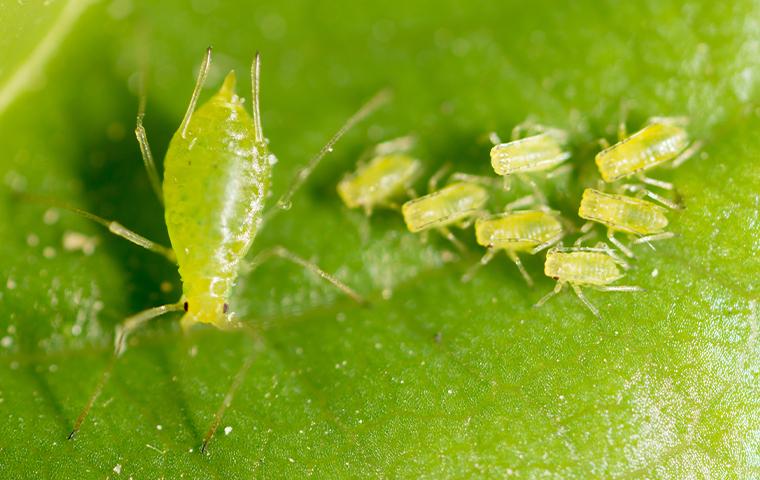
Are Shrub and Tree Pests Dangerous?
Why Do I Have a Shrub and Tree Pest Problem?
Where Will I Find Shrub and Tree Pests?
Tree and shrub pests can be found in nearly every part of your landscape, depending on the type of pest and the plant species they target. Some prefer hidden locations deep within the bark or root system, while others cluster on the undersides of leaves or along tender new growth where they can feed undisturbed. Because each pest has a distinct feeding pattern and life cycle, knowing where to look is key to identifying and managing an infestation before it causes serious harm. Borers are among the most destructive because they attack from within. After adult beetles lay eggs on bark crevices or wounds, the larvae tunnel through the inner layers of wood, feeding on the living tissue that transports water and nutrients throughout the tree. This internal damage often goes unnoticed until external signs like: sawdust-like frass, exit holes, or thinning canopy, appear, by which time the infestation is well established. Scales, on the other hand, attach themselves to leaves, twigs, and branches, appearing as small bumps or waxy spots. These insects feed by sucking sap, gradually weakening the plant and leaving behind sticky honeydew that can attract ants and encourage the growth of black sooty mold. Heavy infestations can cause leaf drop, branch dieback, and general decline in vigor. Aphids tend to gather in clusters on the undersides of leaves, along stems, or near flower buds. Their piercing-sucking mouthparts draw sap directly from plant tissue, causing curling, yellowing, and distortion of leaves. Like scales, they also excrete honeydew, which can lead to fungal growth and further stress on the plant. Other common pests, such as spider mites, caterpillars, and whiteflies, often inhabit similar areas: undersides of leaves, branch junctions, or shaded portions of plants where air circulation is limited. Regular inspection of these areas, especially during warm months, helps ensure early detection. Partnering with a certified arborist or pest control professional can help pinpoint pest locations, assess the extent of damage, and implement targeted treatments to restore plant health and prevent future outbreaks.How Do I Get Rid of Shrub and Tree Pests?
Getting rid of shrub and tree pests requires more than just surface-level treatment; it demands a thorough understanding of pest biology, plant health, and environmental conditions across different service areas. Since many pests hide beneath bark layers, within root zones, or on the undersides of leaves, DIY methods rarely reach the source of the infestation. That’s why professional care is the most reliable and long-lasting solution for protecting your landscape. At Trees Hurt Too, Inc., our licensed plant health specialists take an integrated approach to pest management. We begin by inspecting your property to identify the specific pest species, the extent of damage, and any underlying conditions that may be contributing to the infestation, such as soil imbalance or moisture issues. Then, we develop a customized treatment plan designed to restore your trees and shrubs to full health while preventing future outbreaks. Our environmentally responsible treatments include the use of low-impact, green products that target harmful pests without endangering beneficial insects or pollinators. From systemic injections that reach deep into a tree’s vascular system to targeted sprays and soil health programs, we offer tailored solutions that deliver results across all our service areas. Whether you’re managing a single residential landscape or maintaining multiple commercial properties, our goal is to help you protect your investment and preserve the beauty of your greenery year-round. To learn more about our effective tree and shrub pest control options or to schedule a consultation with one of our experienced professionals, contact Trees Hurt Too, Inc. today.How Can I Prevent Shrub and Tree Pests in the Future?
Service Area
ArlingtonBedford
Burleson
Carrollton
Colleyville
Coppell Duncanville
Euless
Fort Worth
Grand Prairie
Grapevine
Highland Park Hurst
Irving
Keller
Mansfield
Midlothian
North Richland Hills Oak Cliff (Dallas)
Southlake
Trophy Club
University Park
LATEST BLOGS
Stay informed about lawn care, tree care and pest related issues in your area!
VIEW ALL BLOGS
REQUEST YOUR FREE QUOTE
[wpforms id=”1758″ title=”false”]
