Common Spiders in North Texas Identification Guide
North Texas has one of the most diverse ranges of spider species in the southern region, and homeowners frequently encounter them around structures, gardens, landscape beds, and shaded outdoor areas. While spiders play important ecological roles, many residents want to understand which species they are seeing, which ones are a concern, and how to identify them correctly. This guide provides a clear overview of the most common spiders in North Texas, how they behave, where they hide, and how residents can reduce conditions that attract them.Throughout this guide, you will find links to other resources across the site such as the spiders page, pest control services, and city-specific resources like Fort Worth, helping you explore related topics as needed.Spiders in North Texas: What Homeowners Should Know
North Texas landscapes support a mixture of indoor and outdoor spider species. Some remain outdoors and rarely interact with structures, while others prefer sheltered areas near buildings. Understanding spider behavior helps residents identify species more confidently. Spiders tend to appear in:- Shaded landscape beds
- Corners of outdoor structures
- Under patio furniture
- Window frames
- Sheds and garages
- Warm indoor areas when temperatures shift
(External link: https://www.cdc.gov) Homeowners who want deeper information about Texas pests can explore the general pests page for species frequently found near spiders.
Most Common Spiders in North Texas
North Texas supports a wide variety of spider species that thrive in its warm climate, diverse vegetation, and rapidly developing urban regions. Whether residents live in Dallas, Fort Worth, Arlington, Mansfield, or nearby cities, the same core group of spiders appears most frequently around homes, outdoor structures, landscaped areas, and shaded natural environments. Most species are harmless and provide natural pest reduction by feeding on insects, but proper identification helps homeowners understand behavior, habits, and potential risks. The following profiles provide deeper insight into the spiders most commonly seen across the region, including their appearance, preferred habitats, activity patterns, and how they interact with human environments. These descriptions help homeowners distinguish between harmless species and those considered medically significant. Additional educational resources can be found on the spiders overview page, which provides broader information on behavior, local habitats, and related species.1. Wolf Spiders
Wolf spiders are among the most widespread spiders in North Texas and appear in both rural and urban settings. They are active ground hunters rather than web builders, which makes them highly visible and more frequently encountered by homeowners. Their impressive speed, large size compared to many other species, and distinctive eye arrangement make them one of the easiest spiders to identify.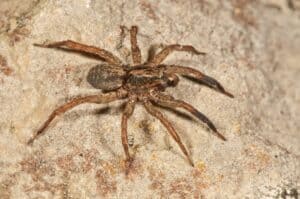
Appearance and Identification Traits
- Brown, tan, or gray coloration with subtle stripes or mottled patterns
- Large forward-facing eyes that reflect light at night
- Thick, sturdy legs designed for rapid movement
- Females often carry an egg sac attached to the abdomen
- Some species carry newly hatched spiderlings on their backs
Habitat and Where They Are Found
Wolf spiders are highly adaptable and thrive in:- Landscape beds
- Dry soil areas
- Wood piles
- Patio edges
- Under outdoor furniture
- Foundation gaps
- Storage sheds
Behavior and Activity Patterns
Unlike web-building spiders, wolf spiders rely on active hunting. They stalk prey or ambush insects using speed and agility. This behavior explains why they are sometimes spotted darting across sidewalks, patios, or garage floors. Key behavioral notes:- Mostly nocturnal, though visible during the day in shaded areas
- Solitary hunters that do not share webs or nesting areas
- Highly beneficial for reducing insect populations near structures
- Generally avoid contact with people and retreat when approached
Seasonal Presence in North Texas
Wolf spider sightings increase during:- Warm months when insect populations rise
- Late summer and early fall when breeding occurs
- Seasonal temperature shifts that drive insects indoors
Why Wolf Spiders Enter Homes
Wolf spiders sometimes appear inside homes for several reasons:- Chasing insects
- Escaping rain, heat, or cold
- Following gaps around door frames or foundations
- Seeking nighttime shelter
Misidentification and Common Myths
Wolf spiders are frequently confused with brown recluses due to their size and coloration, but they differ in several key ways:- Wolf spiders have a patterned body; recluses are uniform in color
- Wolf spiders have eight eyes; recluses have six
- Wolf spiders move quickly and visibly; recluses remain hidden
- Wolf spiders actively hunt; recluses wait in shelters
Ecological Importance
Wolf spiders play an essential role in controlling outdoor insect populations. They help reduce beetles, crickets, grasshoppers, and numerous common pests that appear around Texas homes. Their presence in gardens and landscaped areas often indicates a healthy ecosystem. Additional information about species that thrive in outdoor vegetation is available on the weeds page, which explains how plant conditions influence insect and spider activity. Learn about other ground-dwelling species on the spiders overview page.2. Southern Black Widow
The southern black widow is one of the most easily recognized spiders in North Texas due to its glossy black appearance and the distinctive red hourglass marking found on the underside of the abdomen. Although the species has a strong reputation because of its medical significance, it is far less aggressive than many people assume. Black widows are secretive, prefer solitude, and rarely interact with humans unless disturbed. Their presence in North Texas is influenced by weather patterns, available shelter, and insect populations around homes and outdoor structures.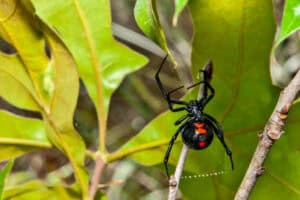
Appearance and Identification Traits
The southern black widow has several unmistakable features that help homeowners identify the species accurately:- Smooth, shiny black body with a rounded abdomen
- Bright red hourglass marking beneath the abdomen
- Long, slender legs compared to body size
- Females larger and more recognizable than males
- Males smaller and lighter, often with faint spots
Habitat and Where They Are Found
Southern black widows prefer dark, undisturbed areas where they can build irregular, tangled webs. They often settle in locations that provide protection from weather fluctuations and limited exposure to predators. Common environments where homeowners may encounter black widows include:- Beneath outdoor equipment or patio items
- In corners of sheds or detached structures
- Inside garages, especially near clutter
- Around stone walls or stacked materials
- Beneath porches or stair areas
- Behind vegetation near exterior foundations
Web Structure and Activity Patterns
Unlike orb weavers that construct organized circular webs, black widows weave highly irregular, sticky webs designed to immobilize prey immediately. Their webs serve as both shelter and hunting tools, positioned close to the ground or in low, sheltered corners. Behavior notes include:- Primarily nocturnal, staying hidden during daylight hours
- Females remain on or near their webs, rarely wandering
- Males move more frequently during mating periods
- Prey includes beetles, flies, ants, and other small insects
Seasonal Activity in North Texas
Southern black widows are active year-round in the region, but sightings increase during:- Late spring and summer
- Warm, humid nights
- Periods following heavy rainfall
Behavior Toward Humans
Despite widespread concern, southern black widows are not aggressive spiders. They avoid confrontation and retreat quickly into their shelters when given the opportunity. Key behavior considerations:- Bites typically occur only when the spider is unintentionally pressed against skin
- They do not roam indoors in search of prey as frequently as wolf spiders
- They remain hidden and avoid human interaction unless startled
Misidentification and Common Myths
Many harmless black or dark-colored spiders are incorrectly labeled as widows. Misidentification occurs due to:- Similar body shapes among ground spiders
- Confusion with false widows
- Overestimation of widow population density
Ecological Role and Benefits
Black widows help regulate insect populations, feeding on pests commonly found around structures. Their predatory habits contribute to a balanced ecosystem and indirectly help homeowners manage insect activity. Homeowners wanting a broader understanding of how pests interact with local environments can explore the Texas tree fungus resource for insights on how plant conditions affect nearby insect populations.Why Black Widows Choose Certain Locations
Black widows favor areas where:- Shelter is abundant
- Moisture levels remain moderate
- Prey is consistently available
- Disturbance is minimal
3. Brown Recluse
The brown recluse is one of the most discussed spiders in North Texas due to its medical significance and the misconceptions surrounding it. While well-known, true recluses are smaller, more secretive, and far less commonly encountered than many homeowners assume. Their natural behavior centers on avoiding contact with people, and they spend most of their time in hidden areas with stable temperatures and limited disturbance. Understanding their true appearance and habits helps residents distinguish them from the many harmless brown spiders that populate Texas landscapes.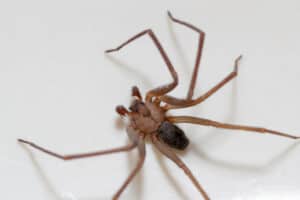
Appearance and Identification Traits
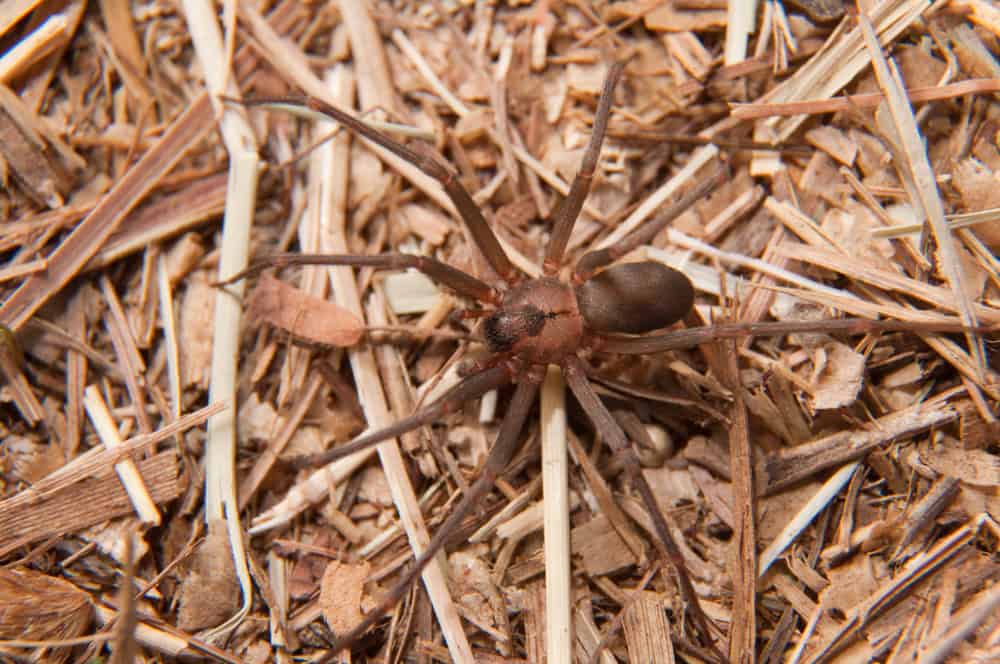
Brown recluses are defined by several consistent physical characteristics that make proper identification possible when examined closely:- Light to medium brown body with a slightly darker thorax
- Distinct violin-shaped marking on the cephalothorax
- Six eyes arranged in three pairs (most spiders have eight)
- Uniform coloration on the legs without banding
- Smooth body surface without heavy hair or patterning
Size and Misconceptions
True brown recluses are smaller than homeowners expect, typically around the size of a U.S. quarter when legs are fully extended. The myth of “giant recluses” stems from confusion with larger Texas spiders such as wolf spiders or grass spiders, which differ significantly in structure and behavior. Common misconceptions include:- Believing all brown spiders are recluses
- Assuming recluses actively roam high-traffic areas
- Overestimating the likelihood of interactions inside homes
Preferred Habitat and Hiding Locations
Brown recluses are true to their name. They seek out quiet, undisturbed areas where they can retreat for long periods. Their environments typically include:- Storage boxes and cardboard containers
- Closets, attics, and lightly used rooms
- Behind furniture or appliances
- Indoor storage areas with minimal movement
- Subtle cracks along baseboards or flooring edges
Web Structure and Behavior
Brown recluses create irregular, thin, wispy webs used primarily as retreats rather than hunting platforms. Unlike orb weavers or cellar spiders, they do not rely on web structures to catch prey. Instead, they emerge cautiously to capture insects that wander near their hiding areas. Key behavioral traits:- Primarily nocturnal feeders
- Slow-moving and cautious rather than aggressive
- Avoidance-first behavior when threatened
- Long periods of inactivity when food is scarce
Seasonal Activity in North Texas
While brown recluses remain active year-round, sightings may increase during:- Warmer months when insect populations rise
- Seasonal temperature shifts that affect indoor comfort
- Periods of high humidity
Why Brown Recluses Appear Indoors
Brown recluses rarely migrate long distances in search of food. Most activity indoors occurs due to:- Access through boxes during moving or storage changes
- Long-term occupancy of undisturbed interior spaces
- Abundant insect prey inside structures
- Temperate indoor environments that suit their needs
Misidentification with Harmless Species
Many harmless spiders resemble the brown recluse, including:- Grass spiders
- Common house spiders
- Wolf spiders
- Sac spiders
Ecological Role and Benefits
Although misunderstood, brown recluses help regulate populations of insects that thrive in storage areas and protected structures. By feeding on beetles, silverfish, and other indoor insects, they contribute to natural population control. For additional insight into species that impact indoor environments, homeowners can review the ants resource page, which highlights insect behaviors that frequently influence spider activity.When Homeowners Encounter Brown Recluses
Encounters typically occur when:- Moving stored items
- Opening long-sealed boxes
- Rearranging items in closets
- Sorting belongings in attics or garages
- Shifting furniture that has not been moved for months
4. Cellar Spiders
Cellar spiders, often referred to by homeowners as “daddy longlegs,” are among the most recognized indoor spiders in North Texas. Their extremely long, delicate legs and small oval-shaped bodies make them easy to spot, especially in garages, basements, sheds, and quiet indoor areas. While their appearance often startles residents, cellar spiders are harmless and play an important role by feeding on insects and even other spiders that wander into their webs. Their presence is typically a sign of an available insect food source rather than a threat to people or pets.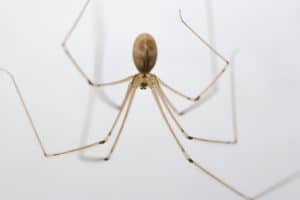
Appearance and Identification Traits
Several distinctive features help identify cellar spiders quickly and accurately:- Long, thin legs that may be several times the length of their body
- Small, lightly colored abdomen and cephalothorax
- Pale yellow, gray, or tan body coloration
- Vibrating behavior when disturbed, causing the web to shake
- Lightweight, tangled web structures positioned in corners
Indoor and Outdoor Habitat Preferences
Cellar spiders thrive in areas that provide stable temperatures and minimal disturbance. They typically select high or recessed corners and remain there for extended periods, reinforcing or expanding their webs as needed. Common environments where cellar spiders settle include:- Garages and carports
- Storage rooms and utility areas
- Ceiling corners, especially near door frames
- Under staircases
- Sheds and detached structures
- Low-light interior corners
- Attics with consistent warmth
Web Structure and Feeding Behavior
Cellar spiders create irregular, messy webs that may appear loosely constructed compared to the organized patterns of orb weavers. Despite their untidy appearance, these webs are highly effective for capturing prey and maintaining the spider’s shelter. Behavioral notes:- They hang upside down from their webs to capture prey
- When threatened, they shake their webs rapidly, a defensive behavior
- They feed on small insects, flies, beetles, and even other spider species
- They remain in their web throughout most of their lifespan
Seasonal Activity in North Texas
Cellar spiders remain active throughout the year but become more noticeable during:- Cooler months when insects enter indoor spaces
- Warm summer periods when garages and sheds attract pests
- Transitional seasons with fluctuating temperatures
Why Cellar Spiders Appear Inside Homes
Cellar spiders prefer indoor environments due to consistent conditions and abundant insect prey. They are often found where insects gather, such as corners near windows, doors, or stored materials. They are drawn indoors by factors such as:- Stable temperatures
- Protected corners ideal for web-building
- Minimal disturbance
- Presence of small insects
- Reduced air movement in tight spaces
Misidentification and Common Confusion
Cellar spiders are often mistaken for:- Harvestmen (not true spiders)
- Small orb weavers
- Other long-legged indoor spiders
Ecological Role and Benefits
Cellar spiders help control indoor insect populations and even reduce the presence of other spiders. They regularly feed on:- Small flying insects
- Gnats and mosquitoes
- Moths
- Beetles
- Other spiders caught in their web
When Homeowners Encounter Cellar Spiders
Most interactions occur when:- Cleaning garages or storage rooms
- Moving boxes or equipment
- Opening unused closets
- Working in areas near ceiling corners
- Performing routine home maintenance
5. Jumping Spiders
Jumping spiders are one of the most fascinating and easily recognized spider groups in North Texas. Known for their curious behavior, impressive agility, and large forward-facing eyes, these spiders often capture homeowner attention more than any other species. Although their small size makes them non-threatening, their bold movements and inquisitive nature set them apart from typical indoor and outdoor spiders. North Texas landscapes, porches, windows, and gardens provide ideal environments for jumping spiders to thrive due to the steady availability of insect prey.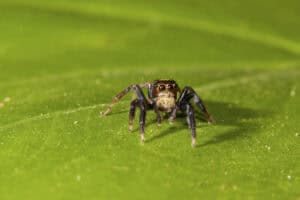
Appearance and Identification Traits
Jumping spiders belong to the Salticidae family, the largest family of spiders in the world. Their compact bodies and expressive eyes make them particularly noticeable. Key identification traits include:- Large, forward-facing eyes that give them excellent vision
- Compact, robust body shape with proportionate legs
- Distinctive jerky or hopping movements
- Often brightly patterned or iridescent coloration
- Short, dense hairs covering their bodies
Behavior and Activity Patterns
Jumping spiders are unlike most common spiders because they do not rely on webs to catch prey. Instead, they hunt visually, stalking insects with precision and leaping onto them with remarkable accuracy. Typical jumping spider behavior includes:- Approaching prey cautiously before leaping
- Using silk as a safety tether during jumps
- Exploring nearby areas with curiosity
- Turning their bodies to observe movement
- Active daytime hunting rather than nocturnal behavior
Where Jumping Spiders Are Found in North Texas
Jumping spiders inhabit a wide variety of outdoor and indoor environments. Their adaptability makes them common across cities like Dallas, Fort Worth, Arlington, and Mansfield. Common outdoor locations include:- Garden beds and shrubs
- Porch railings and steps
- Exterior window frames
- Brick walls and siding
- Patio furniture
- Fences and deck posts
Diet and Ecological Importance
Jumping spiders are among the most beneficial predators in North Texas environments. Their hunting behavior helps reduce populations of:- Flies
- Gnats
- Mosquitoes
- Small moths
- Ants
- Beetles
- Other small arthropods
Seasonal Activity in North Texas
Jumping spiders are most active during warmer months when insect populations rise. They thrive in sunny environments and may move into shaded areas when temperatures exceed comfortable levels. Seasonal observations include:- Increased outdoor activity during spring and summer
- High visibility around windows and doors during bright daylight
- Reduced activity in winter, though some individuals remain active indoors
How Jumping Spiders Interact With Homes
Jumping spiders may appear indoors due to:- Insects entering through windows or door cracks
- Accidental entry while exploring exterior walls
- Attraction to sunlight that enters through windows
- Movement associated with seasonal insect shifts
Misidentification and Common Confusion
Jumping spiders are sometimes confused with:- Small wolf spiders (due to body shape)
- Young orb weavers
- Dark-colored house spiders
Unique Attributes That Make Jumping Spiders Stand Out
Jumping spiders possess several unusual traits:- Exceptional vision (among the best of any spider)
- Ability to learn and adapt to new environments
- Courtship dances performed by certain species
- Diverse colors and patterns
- High agility and precision leaping
Ecological Contributions in Urban Areas
In urban environments like Arlington, Grand Prairie, and Fort Worth, jumping spiders help reduce nuisance insects that gather around lighting, vegetation, and outdoor structures. Their presence indicates a healthy balance between predators and prey. Homeowners interested in how local climate patterns influence spider behavior can review additional details on the Grapevine pest guide.6. Orb Weavers
Orb weavers are among the most visually striking and beneficial spiders found in North Texas. Known for crafting large, circular webs often seen in gardens, porches, and outdoor structures, these spiders play a major role in reducing flying insects in residential areas. Their webs can span several feet and are typically most visible in early morning light or after dew settles on the silk patterns. Although their size and bright coloration can surprise residents, orb weavers are harmless and avoid interaction with people. Their presence is especially common across Dallas, Fort Worth, Arlington, Mansfield, and surrounding communities, where mature vegetation and outdoor lighting attract flying insects that orb weavers depend on for food.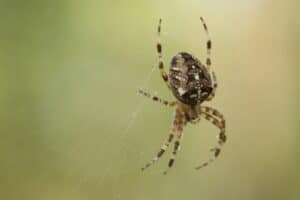
Appearance and Identification Traits
Orb weavers encompass many species, but they share key identifying traits:- Large, rounded abdomen with variable patterning
- Bright or contrasting body colors, often yellow, orange, black, or brown
- Long legs with alternating colored bands in many species
- Characteristic wheel-shaped web structure
- Typically hang upside down in the center of the web
Web Structure and Hunting Behavior
Orb weavers are known for some of the most intricate and symmetrical webs among all spider species. Their wheel-shaped webs serve as both a hunting tool and a monitoring system for vibrations caused by insects. Web characteristics include:- Circular, organized design with radiating spokes
- Sticky spiral silk used to trap prey
- Web rejuvenation or complete reconstruction during evening hours
- Strategic placement near lights, vegetation, or insect pathways
- Primarily nocturnal builders, constructing or repairing webs at night
- Retreat to a nearby leaf or corner during the day
- Rapid response to web vibrations when capturing prey
- Feeding on mosquitoes, moths, beetles, and various flying insects
Where Orb Weavers Are Commonly Found in North Texas
Orb weavers thrive in outdoor environments with sturdy anchor points and consistent insect activity. They do not typically enter homes, but will position webs near human structures with abundant prey. Common habitats include:- Garden beds and shrubs
- Between porch posts or columns
- Under patio covers
- Fences and deck rails
- Between tree branches or tall plants
- Around sheds or outdoor storage areas
Seasonal Activity in North Texas
Orb weavers follow a predictable seasonal cycle influenced by Texas weather conditions. Their most active periods include:- Late spring through fall
- Warm, humid evenings with increased insect movement
- Early mornings when dew highlights their web structures
Ecological Importance of Orb Weavers
Orb weavers are among the most beneficial outdoor spiders in residential environments. They help regulate populations of insects that commonly gather near lighting, gardens, and outdoor structures. Their ecological contributions include:- Reducing flying insects such as mosquitoes and moths
- Creating natural balance in landscape ecosystems
- Supporting food chains for birds and other small wildlife
- Maintaining insect populations around gardens
Behavior Toward Humans
Despite their large size and striking appearance, orb weavers are not aggressive. They avoid contact with people and will retreat if approached or disturbed. If a web is accidentally disrupted, the spider will often rebuild it elsewhere within a day or two. Key behavior considerations:- They do not chase or pursue threats
- They rarely bite and typically only if pressed against skin
- They prefer solitary, stationary locations
- They remain focused on web maintenance and insect capture
Why Orb Weavers Choose Certain Outdoor Locations
Orb weavers look for areas that offer:- Strong anchor points for web attachment
- Areas with minimal wind disturbance
- Stable insect traffic
- Shade during hot daytime hours
- Protected nighttime conditions
Misidentification and Common Confusion
Homeowners sometimes confuse orb weavers with:- Wolf spiders (due to size)
- Garden-variety house spiders
- Large juvenile spiders of other families
When Homeowners Encounter Orb Weavers
Orb weavers are typically seen:- Early morning when webs catch sunlight or dew
- Late evening during web construction
- Near outdoor lighting where insects gather
- In gardens and shrubbery during active feeding periods
7. Grass Spiders
Grass spiders are common outdoor spiders throughout North Texas and are frequently noticed in landscape areas, lawns, and garden beds. They belong to the Agelenidae family and are known for building distinctive funnel-shaped webs that lead to a narrow retreat where the spider waits for prey. While they may appear alarming due to their quick movement, grass spiders are harmless to people and play a helpful role in controlling insects around homes. Their population thrives across Dallas, Fort Worth, Arlington, Mansfield, and surrounding cities thanks to the region’s warm climate, abundant vegetation, and steady insect activity. Homeowners often spot grass spiders during late summer when webs become more visible across outdoor surfaces.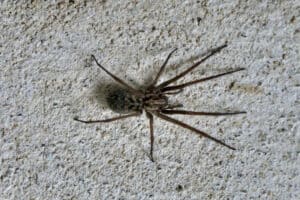
Appearance and Identification Traits
Grass spiders possess several recognizable features that distinguish them from other North Texas spiders. Key identification traits:- Slender body with light and dark brown striping
- Long, rapid-moving legs
- Two bold stripes running down the cephalothorax
- Extended spinnerets that appear like short “tails” at the rear of the abdomen
- Funnel-shaped web connected to a sheet-like surface
Habitat and Outdoor Preferences
Grass spiders prefer outdoor habitats with plenty of vegetation and areas where insects naturally gather. They rarely appear indoors, as their web-building behavior is best suited to outdoor surfaces. Common locations where grass spiders are found include:- Dense groundcover
- Shrubs and garden edges
- Landscape beds
- Areas around porches and patios
- Tall grasses and ornamental plants
- Spaces between rocks or bricks
Web Structure and Hunting Behavior
Grass spiders are classic funnel weavers. Their web includes a flat, sheet-like surface that extends outward and narrows into a small tunnel where the spider waits. Web and behavior characteristics:- The web is not sticky; instead, it slows prey movement
- The spider detects vibrations and rushes out quickly to capture insects
- The funnel retreat serves as a protective shelter
- They seldom leave the web unless searching for new territory
- Insects trapped on the sheet are pulled into the funnel for feeding
Seasonal Activity in North Texas
Grass spiders thrive in warm months and are especially visible during:- Late summer and early fall
- Humid mornings when their webs glisten with moisture
- Periods with elevated insect populations
- Times when vegetation is dense and undisturbed
Why Grass Spiders Rarely Enter Homes
Grass spiders prefer stable outdoor habitats and seldom move indoors. Their web design requires structural support and open outdoor space, which interior rooms rarely provide. They remain outdoors because:- Their prey sources are most abundant in gardens and vegetation
- Indoor environments lack suitable web-building areas
- They avoid open, high-traffic interior spaces
- Outdoor temperatures in North Texas generally suit them year-round
Behavior Toward Humans
Grass spiders are timid and highly alert. Their typical response to disturbance is rapid retreat into the safety of their funnel web. Important behavior notes:- Not aggressive and avoid direct interaction
- Extremely fast, often mistaken for chasing when actually fleeing
- Prefer hiding rather than confronting threats
- Will abandon a web and rebuild elsewhere if repeatedly disturbed
Misidentification and Common Confusion
Grass spiders are commonly mistaken for:- Wolf spiders (due to similar coloration)
- Nursery web spiders
- Juvenile fishing spiders
- Grass spiders have long spinnerets
- They always build funnel webs
- Their bodies appear slender with prominent stripes
Ecological Role and Benefits
Grass spiders are important predators in North Texas landscapes and help reduce populations of small insects that gather near ground-level vegetation. They contribute to:- Natural pest management in gardens
- Reduction of beetles, flies, and small arthropods
- Maintaining balance in outdoor ecosystems
- Providing food for birds and other wildlife
Where Homeowners Most Often See Grass Spiders
Common encounters occur when:- Watering garden beds
- Working near shrubs or groundcover
- Inspecting patio edges early in the morning
- Moving decorative items near vegetation
- Observing webs glistening with dew
8. Texas House Spider
The Texas house spider is one of the most frequently encountered indoor spiders across North Texas homes. Small, discreet, and non-aggressive, this species often goes unnoticed until its irregular web appears in room corners, closets, or garage spaces. Due to its brown or tan coloration, the Texas house spider is frequently mistaken for more concerning species, but it poses no danger to people or pets. In reality, it plays a helpful ecological role by feeding on small household insects that wander indoors. Texas house spiders thrive in communities across Dallas, Fort Worth, Arlington, Mansfield, and surrounding cities thanks to the region’s warm climate, seasonal insect activity, and the abundance of sheltered indoor environments. Their calm behavior and preference for staying in hidden areas make them one of the least disruptive spiders found in Texas homes.Appearance and Identification Traits
Texas house spiders are small, slender, and subtly patterned, which contributes to frequent misidentification. Key characteristics include:- Coloration: Brown or tan with faint, mottled patterning
- Body Size: Around 1/4 to 1/2 inch, excluding legs
- Leg Proportions: Long, thin legs relative to body size
- Overall Shape: Lightweight and delicate, with a narrow abdomen
Habitat and Common Hiding Locations
As their name suggests, Texas house spiders are well adapted to indoor living. They seek out quiet, undisturbed locations where they can build their small, messy webs. Common indoor habitats include:- Corners of ceilings and walls
- Closets and storage areas
- Garages and utility rooms
- Behind furniture or shelving
- Window frames where insects gather
Behavior and Activity Patterns
Texas house spiders are passive, non-aggressive, and rarely leave their webs. Their behavior is predictable and focused on conserving energy while waiting for prey. Behavioral traits include:- Remaining web-bound for long periods
- Feeding primarily on small household insects
- Retreating or freezing when disturbed
- Avoiding contact rather than confronting threats
- Modifying and expanding web areas rather than relocating frequently
Bite Risk and Safety Considerations
Despite their intimidating appearance to some homeowners, Texas house spiders in most cases pose no medical risk. Their fangs are small, and defensive bites are extremely rare. When bites do occur, they typically result from accidental handling or trapping the spider against the skin, and symptoms are mild. Important notes:- Not considered dangerous
- No medically significant venom
- Minimal likelihood of biting
- Harmless presence in homes
Why Texas House Spiders Are Common Indoors
Several environmental and structural factors make Texas homes ideal for this species:- Readily available insect prey
- Mild indoor temperatures year-round
- Numerous sheltered web-building locations
- Low disturbance in corners and storage areas
- Entry points near windows or doors where insects travel
Ecological Role and Benefits
Texas house spiders provide several ecological benefits inside homes:- Natural reduction of indoor insects
- Decreased activity of small flies and gnats
- Support of balanced indoor ecosystems
- Minimal impact on human living spaces
Texas Spider Identification Chart
Visual identification is important, and homeowners often search for a simple comparison chart when researching spiders. Below is an updated descriptive reference chart designed for clarity. For a downloadable or printable format, the spiders resource page provides additional details.| Spider Species | Key Identifiers | Common Locations | Notes |
|---|---|---|---|
| Wolf Spider | Dark stripes, large eyes | Mulch, patios, indoors during weather shifts | Fast-moving hunter |
| Black Widow | Red hourglass, shiny body | Sheds, crawl spaces, outdoor equipment | Medically significant |
| Brown Recluse | Violin marking, six eyes | Indoor storage, boxes, closets | Medically significant |
| Cellar Spider | Long legs, light body | Garages, ceilings, corners | Harmless |
| Jumping Spider | Large eyes, compact body | Windows, gardens | Harmless |
| Orb Weaver | Round abdomen, bright patterns | Gardens, porches | Beneficial |
| Grass Spider | Funnel webs, stripes | Yards, shrubs | Outdoor species |
| Texas House Spider | Brown or tan body, faint patterns | Room corners, closets, garages | Harmless indoor species |
Texas Spiders and Where They Hide
Many North Texas homeowners are surprised to find spiders inside their homes, especially during seasonal transitions when temperatures shift or moisture levels increase. Although spiders are primarily outdoor creatures, several species adapt well to indoor environments when conditions are favorable. Understanding why spiders enter homes and where they prefer to hide helps residents manage sightings more effectively and interpret whether the presence of spiders indicates a larger ecological trend. Indoor spider activity is closely linked to seasonal weather changes, insect movement, and the structure of the home itself. Since most spiders prefer stable environments with minimal disturbance, they retreat to areas that remain quiet, sheltered, and consistently warm. These traits make certain parts of North Texas homes especially appealing throughout the year.Why Spiders Enter North Texas Homes
Spiders do not enter homes with the intention of establishing large populations. Instead, they follow environmental cues related to survival:- Temperature regulation: Extreme heat or cold encourages spiders to seek moderated indoor climates.
- Moisture levels: Damp areas such as garages, utility rooms, or bathrooms may attract insects, which in turn attract spiders.
- Abundant prey: Spiders follow insects. When insects establish themselves indoors, spiders often appear shortly afterward.
- Shelter and safety: Indoor environments offer protection from predators, wind, and outdoor disturbances.
- Accidental entry: Some spiders wander in through open doors, cracks, or gaps while exploring outdoor surfaces.
Common Indoor Hiding Locations for Texas House Spiders
House spiders gravitate toward areas with limited foot traffic and stable environmental conditions. Home structures provide multiple microhabitats ideal for shelter, feeding, and web construction. Here are the indoor areas most commonly associated with Texas house spider activity:1. Window Frames
Window frames provide warmth from sunlight, small corners for web placement, and steady insect activity. Flies, gnats, and other small insects often congregate here, attracting spiders that feed on them. This makes window areas prime territory for small house spiders, jumping spiders, and cellar spiders.2. Baseboards and Floor-Level Gaps
Many spiders prefer low-profile hiding spots where they can remain unnoticed. Baseboards and narrow floor-level crevices allow spiders to anchor small webs or rest during the day. These spaces are also pathways used by insects entering from outdoors through structural gaps.3. Closets
Closets offer quiet, undisturbed environments ideal for spiders seeking shelter. Clothing, storage boxes, and infrequently moved items provide many hiding places. Some spiders prefer the consistent darkness within closets, while others appear due to insects that hide among fabric or stored materials.4. Attics
Attics provide a warm, stable climate that spiders find appealing. Because attics are rarely accessed, spiders can remain undisturbed for long periods. Attics often harbor insects such as silverfish or beetles, creating a food-rich environment for spiders that thrive in darkness and still air.5. Behind Stored Items
Areas behind furniture, boxes, shelving, and holiday decorations are some of the most common hiding locations for house spiders. These undisturbed spaces allow spiders to establish webs, rest, or pursue insects that gather near stored belongings. Cardboard boxes, in particular, create natural microhabitats similar to outdoor shelters.6. Garages
Garages serve as transitional spaces between indoor and outdoor environments. They commonly harbor insects attracted by lighting, warmth, or moisture, making them ideal hunting grounds for spiders. Shelving units, corners, and ceiling areas provide accessible web-building locations, while cluttered spaces offer additional hiding sites. Residents wanting further insight into how local environmental conditions influence indoor pests can explore the Arlington pest control resource for trends that affect home structures across Tarrant County.Factors That Increase Spider Activity Indoors
Spider movement inside homes increases during transitional weather periods, such as:- Late summer when indoor insects peak
- Autumn when cooler temperatures drive insects indoors
- Spring when humidity and rainfall affect insect activity outside
- After heavy storms that disturb outdoor habitats
How Texas House Spiders Choose Their Hiding Spots
House spiders rely on simple cues when establishing indoor locations:- Low vibration areas where foot traffic is limited
- Multiple anchor points for small webs
- Access to small crevices for daytime hiding
- Temperature consistency that mirrors outdoor sheltered areas
- Nearby insect populations that provide food
Common Species Found in Texas Homes
While many homeowners assume brown recluses or widows are responsible for indoor sightings, the most common indoor species in North Texas include:- Common house spiders
- Cellar spiders
- Jumping spiders
- Occasional wolf spiders that wander inside
- Small orb weaver juveniles resting temporarily
Signs That Indoor Conditions Support Spider Activity
Homeowners may notice increased indoor spider sightings when:- Insects frequently appear near windows or lights
- Storage areas become cluttered
- Boxes or items remain undisturbed for long periods
- Gaps around doors and foundations allow insect entry
- Outdoor lighting attracts insects near entrances
Why Understanding Indoor Spider Behavior Matters
Recognizing where spiders hide and what attracts them helps homeowners manage their environment more efficiently. Instead of focusing solely on the spiders themselves, addressing underlying insect activity and environmental factors leads to more effective long-term results. North Texas homeowners who become familiar with typical spider behavior gain insight into:- How pests move through structures
- Which areas require monitoring
- How seasonal changes influence indoor sightings
- When environmental adjustments can reduce spider presence
Are There Dangerous Spiders in North Texas
North Texas is home to hundreds of spider species, yet only two are considered medically significant: the southern black widow and the brown recluse. Both species have well-known reputations, but actual encounters that lead to problems are far less common than most homeowners believe. These spiders prefer undisturbed areas, avoid human interaction, and typically remain hidden unless accidentally contacted. Understanding which species pose potential risks and how to correctly identify them helps residents interpret indoor and outdoor sightings with confidence. Many Texas residents mistakenly assume that every brown or black spider is dangerous. In reality, the overwhelming majority of spiders found inside and around North Texas homes are harmless, beneficial predators that help reduce insect populations. The risk of serious injury is extremely low, especially when species are identified correctly and left undisturbed.Which Spiders Are Considered Medically Significant in North Texas
Only two species consistently fall into the medically important category:1. Southern Black Widow
Recognizable by its shiny black body and red hourglass marking on the abdomen, the southern black widow prefers sheltered outdoor areas such as sheds, garages, and cluttered corners. Despite popular belief, it is not aggressive. Bites occur mainly when the spider is accidentally pressed against skin.2. Brown Recluse
The brown recluse has a distinct violin-shaped marking and six eyes arranged in pairs. It avoids activity in high-traffic areas, preferring closets, attics, and storage spaces. Recluses rarely appear in open indoor areas unless disturbed. Extensive details about each species can be found in their dedicated sections within this article for homeowners who need deeper identification guidance.Understanding Risk Correctly
Concerns about dangerous spiders are common, but risk is often misinterpreted. In North Texas, several key points help clarify the reality of spider encounters:- Most spiders cannot penetrate human skin, even when handled directly.
- Documented severe cases are rare, and medical complications represent an extremely small percentage of encounters.
- Accurate identification is essential, as many harmless spiders share coloration or patterns that resemble the two medically significant species.
- Many common house spiders are confused with recluses or widows, leading to unnecessary concern or incorrect assumptions about indoor spider populations.
Behavior That Reduces Risk Naturally
Both black widows and brown recluses inherently avoid human contact. They exhibit:- Reclusive tendencies, selecting hidden areas with minimal disturbance
- Nocturnal activity, reducing interactions during daytime
- Stationary behavior, remaining in specific locations rather than roaming
- Preference for low-traffic spaces, such as cluttered storage or outdoor structures
Where Dangerous Spiders Are Most Commonly Found
Dangerous spiders choose specific environments that provide shelter and stable conditions:- Undisturbed storage areas
- Garages and sheds
- Beneath outdoor items that remain stationary
- Attics or closet corners
- Wood piles or stacked materials
- Crevices near outdoor foundations
Why Misidentification Is Common
Many spiders in North Texas share similar colors or shapes. The following misconceptions frequently lead to unnecessary concern:- Any brown spider is labeled a recluse, despite major differences in eye pattern and body structure
- Shiny black spiders without a red marking are assumed to be widows
- Juvenile spiders with faint patterns are confused with dangerous species
- Web placement is misinterpreted, especially in cluttered areas
Insect Activity Plays a Larger Role Than Spider Presence
Dangerous spiders follow food sources rather than targeting indoor environments directly. When insects become more active inside or near the perimeter of a home, spiders may appear as secondary visitors. Common conditions that draw insects indoors include:- Warm, humid weather
- Light sources attracting flying pests
- Gaps around windows or doors
- Stored items providing harborage areas
Reliable Information From Trusted Authorities
For homeowners who need medical information or guidance on bite responses, the Centers for Disease Control and Prevention provides scientifically accurate and up-to-date recommendations on handling potential encounters: External reference: https://www.cdc.gov These resources offer clarity on risk levels, symptoms, and when to seek professional medical advice.Why Understanding Dangerous Spiders Matters
Knowing which spiders pose potential risks helps homeowners:- Distinguish between harmful and harmless species
- Interpret sightings more accurately
- Understand behaviors that naturally limit interactions
- Identify environments that may require monitoring
- Recognize when preventive steps reduce insect and spider activity alike
How to Identify Spiders Inside Texas Homes
Identifying spiders inside Texas homes can feel challenging because many species share similar colors, sizes, and general body structures. However, with the right approach, homeowners can confidently distinguish between harmless indoor species and those that require closer attention. North Texas spiders vary significantly in behavior, eye arrangement, web structure, and habitat preference. These differences provide reliable clues that help residents understand what species they are seeing and why the spider may have entered their home. Accurate identification not only reduces unnecessary concern but also helps homeowners interpret indoor environmental conditions, such as insect activity or moisture levels, that may be influencing spider movement. Since most species are harmless and avoid interaction, learning their traits empowers residents to make informed decisions about managing indoor spaces.Key Features to Examine When Identifying Texas House Spiders
Spider identification becomes far easier when homeowners focus on specific structural and behavioral characteristics rather than general appearance. The following traits provide the most useful clues:1. Body Shape and Size
Different spider families have unique body styles:- Jumping spiders have compact, stout bodies
- Cellar spiders have tiny bodies with extremely long legs
- Wolf spiders are robust and agile with prominent legs
- House spiders are small and slender with inconspicuous shapes
2. Distinct Markings
Color alone is not reliable, but specific markings are. Examples:- The brown recluse features a clear violin-shaped marking on the cephalothorax
- The southern black widow shows a red hourglass beneath the abdomen
- Many jumping spiders have iridescent or patterned markings
- Orb weavers often display bright or patterned abdomens
3. Eye Arrangement
Although difficult to see, the eye pattern is one of the most definitive identification features:- Brown recluses have six eyes arranged in pairs
- Jumping spiders have large forward-facing eyes
- Wolf spiders have a reflective eye pattern visible at night
4. Web Type or Lack of Web
Web style is one of the strongest indicators of spider family:- Orb weavers create large circular webs
- Cellar spiders build loose, messy webs in corners
- Grass spiders create funnel-shaped webs outdoors
- House spiders build small, irregular webs near hidden corners
- Jumping spiders do not build webs to catch prey
5. Movement and Behavior
Spider movement provides clues to their identity:- Jumping spiders move in short, jerky motions and may look directly at people
- Wolf spiders run quickly and do not rely on webs
- Cellar spiders shake their webs when disturbed
- Orb weavers remain stationary in the center of their web
Where Spiders Hide Inside Homes
Many spiders gravitate toward concealed indoor environments that offer stable conditions and minimal disturbance. Common indoor hiding locations include:- Window sills where light attracts insects
- Corners of ceilings or door frames
- Attics with consistent temperature and limited activity
- Closets filled with fabric and stored items
- Garages with available insects and sheltered corners
- Behind furniture or storage boxes
Common House Spider Species Found in Texas Homes
Several harmless species are routinely encountered indoors:- Common house spiders: small, brown, and often found near window corners
- Jumping spiders: curious, compact, and active in daylight
- Cellar spiders: long-legged spiders that remain in their webs
- Occasional wolf spiders: may wander inside during seasonal changes
Distinguishing Dangerous Species from Harmless Ones
Because the brown recluse and southern black widow are well known, many homeowners misidentify harmless spiders as these species. Correct identification depends on examining multiple traits, not just color. Hints to avoid misidentification:- Most brown spiders are not brown recluses
- Not all dark spiders are widows; the hourglass marking must be present
- House spiders often appear similar to recluses due to their brown coloration
- Shape, eye structure, and web placement are more reliable than general appearance
How Environmental Factors Affect Identification
Indoor environmental conditions influence which spiders appear within a home:- Warm temperatures draw spiders toward windows and sunny rooms
- Insect activity increases sightings of hunting spiders like jumping spiders
- Storage clutter encourages house spiders to build stationary webs
- Seasonal weather shifts bring wandering species indoors temporarily
Steps Homeowners Can Take When Identifying Spiders
A careful approach helps avoid misidentification:- Observe from a safe distance before moving anything
- Note body shape, colors, markings, and leg posture
- Identify the type of web or absence of one
- Consider the location where the spider was found
- Cross-reference species characteristics with reliable guides
Why Identification Matters
Proper identification helps homeowners:- Understand whether a species poses any risk
- Determine if insect activity is attracting spiders indoors
- Recognize which areas of the home require attention
- Appreciate the ecological role spiders play in reducing pests
What Attracts Spiders to North Texas Homes
Many North Texas homeowners are surprised when they begin noticing spiders inside or around their homes, especially during weather transitions or periods of increased insect activity. While spiders typically prefer outdoor habitats, certain conditions around homes create ideal environments that draw them closer or encourage them to enter. Understanding these attractants allows residents to adjust their surroundings and reduce spider presence naturally. Spiders generally follow their food sources, and their movements often correlate with seasonal changes, humidity levels, available prey, and structural features of a home. Because most Texas spiders avoid interactions with people and remain hidden, their appearance usually signals underlying environmental factors that deserve attention rather than an established indoor presence.Primary Factors That Attract Spiders to Homes
Several environmental and structural conditions can make North Texas homes appealing to spiders, particularly species that hunt or scavenge near human activity.1. Increased Insect Activity
The number one attractant for spiders is access to food. Homes with high insect activity naturally draw spiders closer. Conditions that increase insect presence include:- Outdoor lighting attracting flying insects
- Warm indoor temperatures during colder months
- Moisture near windows, bathrooms, or utility rooms
- Cracks or gaps around doorways that allow insects to enter
- Vegetation close to exterior walls
2. Seasonal Weather Changes
North Texas experiences dramatic temperature swings, especially between summer and winter. These changes affect both insects and spiders. Seasonal influences include:- Cool weather driving insects indoors, followed by spiders seeking prey
- Summer heat encouraging spiders to move into shaded or cooler areas
- Heavy rain disturbing outdoor nests, prompting temporary relocation
- High humidity influencing web-building behavior
3. Structures That Provide Shelter
Spiders prefer quiet, undisturbed areas where they can remain hidden and safe from predators. Homes naturally contain such spaces. Attractive indoor and outdoor shelters include:- Garages and storage areas
- Attics with stable temperatures
- Behind boxes, bins, or seasonal items
- Under porch areas
- Corners that receive little movement
- Shelving units with clutter
4. Vegetation Near Exterior Walls
Plants and shrubs near exterior walls provide natural pathways for insects and spiders. Overgrown vegetation or thick landscaping creates shaded, humid spaces that encourage spider movement. Attractive vegetation features include:- Dense shrubs close to siding
- Groundcover with heavy shade
- Thick mulch layers
- Plants that attract flying insects
- Garden beds directly against the home’s foundation
5. Exterior Lighting and Nighttime Insect Activity
Bright lights attract insects at night, creating feeding opportunities for spiders. Many Texas homeowners observe webs near porch lights, garage lights, or windows where moths and other flying insects gather. Spiders frequently build webs near:- Entryway lights
- Back patios and outdoor living areas
- Windows facing streetlights
- Garden areas illuminated by solar or decorative lighting
6. Moisture and Humidity Patterns
Moisture attracts insects such as silverfish, beetles, gnats, and ants. Once insects appear, spiders often follow. Moisture-prone areas include:- Bathrooms
- Kitchen sinks
- Laundry rooms
- Utility or water heater closets
- Window tracks
- Garages with pooled humidity
Why Some Homes Experience More Spider Activity Than Others
Spider activity varies widely from home to home, even within the same neighborhood. Factors that increase the likelihood of spider presence include:- Cluttered storage areas
- Multiple light sources near exterior walls
- Aging window seals or door sweeps
- Heavy vegetation along foundations
- Frequent insect presence inside or near the home
- Local environmental conditions such as nearby creeks or wooded areas
Spiders Follow Food, Not People
The key takeaway is that spiders are not drawn to people, pets, or indoor activity. Their primary motivation is food availability and access to sheltered environments. When insect populations increase around a home, spiders naturally become more visible. Understanding this helps homeowners approach indoor sightings logically rather than with unnecessary alarm.Signs That a Home Is Attracting Spiders
Homeowners may notice one or more of the following indicators:- Small insects accumulating near windows or lights
- Thin, irregular webs in corners of rooms or garages
- Jumping spiders appearing on window sills during daylight
- Increased outdoor web activity on porches or patios
- Spiders emerging from storage areas when items are moved
How Awareness Helps Homeowners
By recognizing the environmental and structural features that attract spiders, homeowners can:- Monitor high-activity areas
- Adjust indoor and outdoor conditions to reduce insect populations
- Interpret seasonal changes in spider behavior
- Reduce unwanted sightings without overreacting or misunderstanding spider presence
How to Reduce Spider Activity in North Texas Homes
Spiders are naturally drawn to environments where insects are abundant, moisture is present, or undisturbed hiding spaces exist. Because North Texas experiences dramatic weather shifts, long warm seasons, and high insect activity, spiders often appear inside or near structures when conditions favor food sources or shelter. While spiders are beneficial outdoors, most homeowners prefer fewer indoor sightings. Fortunately, spider activity can be minimized by understanding their behavior and addressing the environmental factors that attract them. Reducing spider presence does not require eliminating them from the property; instead, the goal is to make indoor environments less appealing while keeping outdoor ecosystems balanced. By focusing on insect control, structural adjustments, and environmental management, homeowners can significantly lower the number of spiders that enter or remain inside North Texas homes.Understanding the Core of Spider Prevention
A key principle guides all effective spider reduction strategies: If insects are reduced, spiders will naturally decrease.Spiders follow food sources that appear in predictable indoor and outdoor patterns. When those food sources are disrupted, spiders relocate or remain outdoors where prey is more plentiful.
Effective Ways to Reduce Spider Activity Indoors
Below are the most reliable strategies for lowering spider numbers inside North Texas homes. Each method targets common attractants such as insects, moisture, shelter, and entry points.1. Reduce Indoor Insect Activity
Because spiders rely on insects for food, decreasing insect presence inside homes is the most efficient way to discourage spiders from staying indoors. Methods include:- Addressing moisture sources that attract insects
- Sealing food containers and minimizing crumbs
- Reducing fruit fly or gnat activity in kitchens
- Monitoring drainage around sinks and appliances
- Using screens in open windows to limit insect entry
2. Improve Storage Organization
Spiders prefer stationary, shadowed spaces where they can remain undisturbed for long periods. Storage areas often provide ideal environments for house spiders, cellar spiders, and occasional brown recluses. Ways to reduce hiding places:- Use sealed plastic bins instead of cardboard boxes
- Avoid stacking items directly on the floor
- Leave space between stored items and walls
- Organize closets, attics, and garages periodically
3. Maintain Tight Entry Points Around the Home
Spiders rarely enter intentionally; instead, they follow insects or wander through unsealed gaps. North Texas homes experience expansion and contraction due to seasonal temperature swings, which can widen small openings over time. Inspect and address:- Window seals and screens
- Gaps near door frames
- Cracks along foundations
- Openings around plumbing lines
- Spaces near utility entry points
4. Reduce Moisture Indoors and Outdoors
Moisture attracts insects such as silverfish, gnats, ants, and beetles, which subsequently draw spiders. Moisture reduction strategies include:- Improving ventilation in bathrooms and laundry rooms
- Using dehumidifiers in damp areas
- Addressing leaks under sinks or near appliances
- Maintaining airflow in garages and utility areas
5. Manage Outdoor Conditions That Support Spider Movement
Spiders thrive outdoors and naturally explore areas near homes when environmental conditions support insect activity. To discourage spiders from settling near exterior walls:- Keep vegetation from directly touching siding
- Maintain clear areas around window frames
- Limit clutter such as stacked materials along foundations
- Use lighting that minimizes nighttime insect attraction
- Ensure drainage prevents water pooling near structures
6. Address Outdoor Lighting That Attracts Insects
Bright outdoor lighting draws flying insects, particularly at night. Spiders often build webs near these areas to take advantage of prey abundance. To reduce nighttime spider activity near entrances:- Use bulbs that produce less insect-attracting wavelengths
- Turn off unneeded lights when possible
- Position lights farther from doorways
- Use motion-activated fixtures in strategic areas
7. Monitor Seasonal Activity and Adjust Accordingly
In North Texas, spider activity follows seasonal cues. Homeowners who understand these patterns can anticipate when adjustments are most beneficial. Typical patterns:- Spring: Increased activity due to rising temperatures
- Summer: Spiders move toward cooler, shaded areas
- Fall: Higher indoor sightings as insects migrate indoors
- Winter: Reduced activity but more spiders following indoor prey
8. Recognize When Spider Presence Reflects Environmental Balance
Seeing spiders occasionally inside or around a home does not indicate a problem. In fact, their presence often demonstrates that the surrounding environment is natural, healthy, and rich with wildlife diversity. Spiders help regulate insect populations and support ecological stability. Homeowners benefit from learning which spider species are harmless and which environments naturally encourage spider presence. Many indoor sightings involve hunting spiders such as jumping spiders or wolf spiders that wander indoors while pursuing prey.Why Reducing Spider Activity Starts With Understanding Their Behavior
Spiders are not drawn to people but to shelter and food sources. By addressing these attractants-particularly insects-homeowners can effectively manage spider presence without disrupting outdoor ecological benefits. Adjusting the home environment allows residents to:- Minimize indoor sightings
- Interpret spider behavior accurately
- Reduce entry points and attractants
- Maintain comfort through seasonal changes
- Understand how insects influence spider movement
Frequently Asked Questions About Texas Spiders
Homeowners across North Texas often have similar questions when they encounter spiders inside or around their homes. Many of these questions stem from concerns about safety, misidentification, and the sudden appearance of spiders during seasonal transitions. The following FAQ section provides clear, accurate, and homeowner-friendly answers that address the most common concerns while helping residents recognize the important role spiders play in local ecosystems. These answers expand upon the identification, behavior, and environmental topics covered throughout this guide and offer practical insights for understanding spider activity in North Texas homes.Are most North Texas spiders dangerous?
No. The vast majority of spiders found in North Texas are harmless and avoid interaction with people. There are only two medically significant species in the region: the southern black widow and the brown recluse. Both species prefer secluded hiding areas and typically only interact with humans when accidentally disturbed. Most spiders that homeowners encounter indoors are common house spiders, jumping spiders, cellar spiders, or occasional wolf spiders. These species help reduce insect populations and do not pose medical concerns. Residents who want species-specific information can explore the detailed profiles throughout this article or review local behavior patterns on the Irving pest guide.Why do spiders suddenly appear indoors?
Spiders often appear indoors during seasonal changes or when insects become more active inside homes. Their presence usually indicates:- Increased indoor insect populations
- Weather shifts that disturb outdoor habitats
- Warm indoor temperatures attracting prey
- Moisture buildup drawing insects toward kitchens, bathrooms, or utility rooms
How can I tell if a spider is a brown recluse?
The brown recluse has several defining characteristics:- A violin-shaped marking on the cephalothorax
- Six eyes arranged in three pairs
- Uniformly colored legs without stripes or bands
- A light to medium brown body
Do spiders build webs inside Texas homes?
Yes, certain species build webs indoors, but the type of web varies dramatically by species:- Cellar spiders create loose, tangled webs in corners
- Common house spiders build small, irregular webs near windows or door frames
- Orb weavers rarely build indoor webs, preferring outdoor structures
- Jumping spiders and wolf spiders do not use webs to catch prey
Why do I find spiders in bathrooms or laundry rooms?
Moisture and insects are the primary reasons spiders appear in bathrooms, laundry areas, and utility spaces. These rooms often contain:- Higher humidity levels
- Warm corners ideal for insects
- Plumbing gaps that allow insects inside
- Storage areas or shelves that offer shelter
Why do spiders shake their webs when disturbed?
Some species, particularly cellar spiders, shake their webs rapidly when disturbed. This behavior is a defensive mechanism designed to blur their outline and confuse predators. The shaking makes the spider harder to see and discourages threats. This behavior is harmless and should not be interpreted as aggression. It simply reflects the spider’s instinct to remain unnoticed.Do spiders help reduce insects around my home?
Yes. Spiders are natural predators that feed on insects such as mosquitoes, gnats, moths, beetles, ants, and other small arthropods. Their presence supports ecological balance and often reduces unwanted insects around homes, especially in gardens, outdoor structures, and well-lit areas where insects gather. Orb weavers, jumping spiders, and grass spiders are particularly helpful in outdoor environments.Why do I see more spiders during certain seasons?
Spider sightings follow predictable seasonal patterns in North Texas:- Spring: Spiders become active as temperatures rise
- Summer: Outdoor activity increases due to insect abundance
- Fall: More indoor sightings occur as insects migrate indoors
- Winter: Activity declines, but spiders may remain indoors seeking food
Is every brown or black spider inside my home dangerous?
No. Most brown or black spiders inside homes are harmless species such as house spiders, wolf spiders, or cellar spiders. Misidentification is common, but color alone is not enough to determine a species. Dangerous spiders have specific defining features:- Southern black widow: shiny black with a red hourglass
- Brown recluse: violin marking and six-eye pattern
Should I be concerned if I find multiple spiders indoors?
Finding several spiders indoors usually indicates an increase in insect activity rather than a spider-specific issue. Spiders follow insects, so their presence often reflects environmental attractants such as moisture, indoor lighting, or seasonal changes. Reducing insect presence and making adjustments to indoor conditions typically leads to fewer spider sightings. The expanded section on How to Reduce Spider Activity in North Texas Homes provides practical guidance.Why is correct spider identification important?
Accurate identification helps homeowners:- Determine whether a spider is harmless or medically significant
- Understand environmental factors influencing its presence
- Make informed decisions about managing indoor spaces
- Appreciate the ecological role spiders play