Clay soil is one of the defining characteristics of North Texas landscapes. While it provides certain nutrient advantages, clay soil also presents unique challenges that directly impact tree health and pest activity. During winter, repeated cycles of rainfall, foot traffic, and temperature fluctuations cause clay soil to compress tightly around root systems. By the time spring arrives, this compaction often triggers a cascade of problems that attract pests and weaken trees.
Understanding how winter soil compaction affects spring conditions allows property owners and managers to address risks early. Soil structure, moisture movement, and root health are all closely connected to pest pressure. When these systems are disrupted, insects and disease organisms find opportunities to thrive.
Why North Texas Clay Soil Compacts So Easily
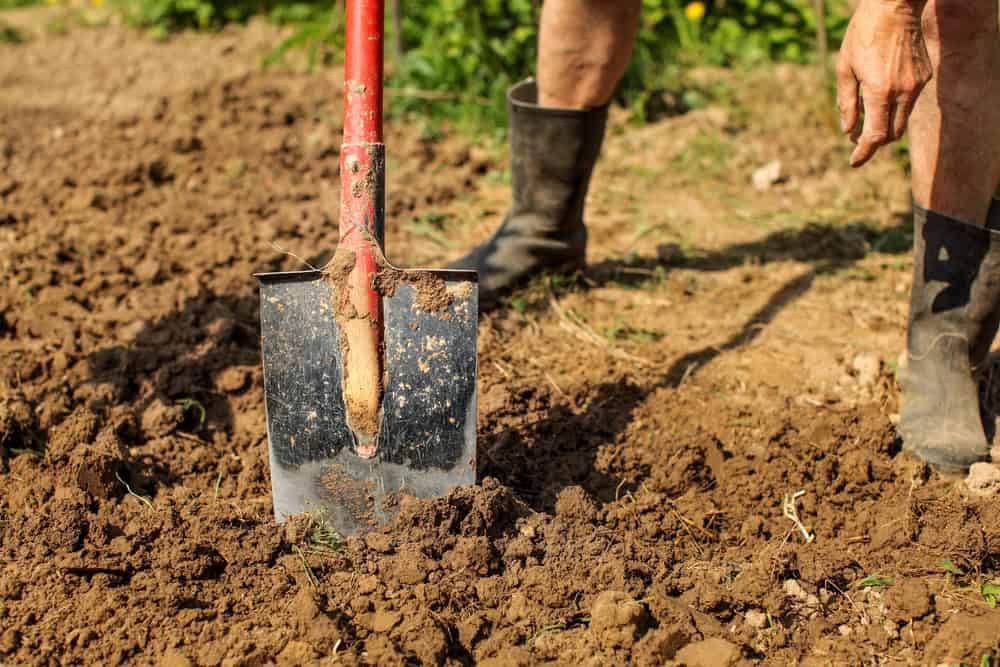
Clay soil particles are extremely small and flat. When wet, they slide together tightly, reducing pore space that normally allows air and water to move freely. In North Texas, winter rainfall combined with heavy soils leads to significant compression.
Several factors accelerate compaction during winter months.
Increased Moisture Levels
Clay soil retains water longer than sandy or loamy soils. Prolonged saturation causes particles to settle into dense layers that resist natural loosening.
Reduced Biological Activity
Soil organisms that help maintain structure are less active in winter. Without their movement, compacted layers remain intact until actively addressed.
Surface Pressure
Foot traffic, vehicles, and maintenance equipment exert pressure on wet soil, further compressing root zones. Even minimal activity can have lasting effects in clay based landscapes.
For more information on soil challenges unique to the region, visit our Top Signs of Root Rot page.
How Winter Compaction Affects Tree Root Systems
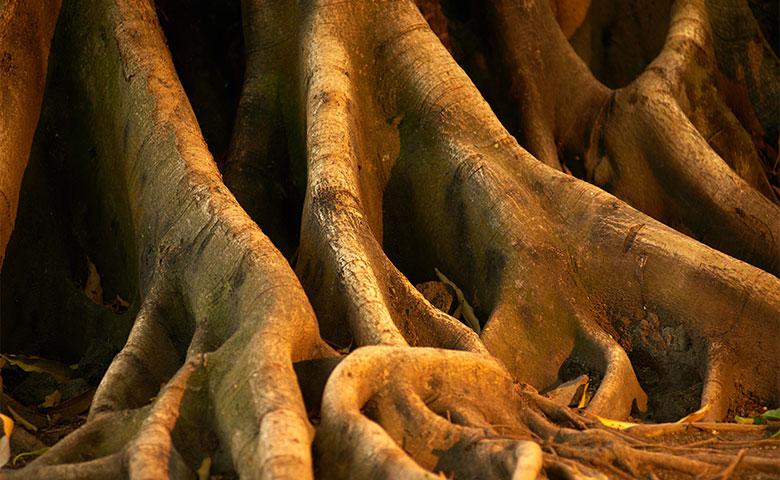
Tree roots require oxygen, moisture balance, and space to grow. Compacted clay soil restricts all three.
Reduced Oxygen Availability
As pore space collapses, oxygen levels around roots decline. Roots under oxygen stress struggle to absorb nutrients and support healthy growth.
Poor Water Movement
Compaction prevents proper drainage, causing water to pool near the surface while deeper roots remain dry. This imbalance stresses trees and weakens natural defenses.
Limited Root Expansion
Dense soil physically restricts root growth. Shallow, stressed roots leave trees more vulnerable to environmental stress and pest attack.
These conditions often remain hidden until spring growth demands increase.
The Link Between Compacted Soil and Spring Pest Problems
Pests are drawn to stressed plants. Compaction creates an environment where trees and shrubs are less capable of defending themselves.
Increased Sap Feeding Insects
Stressed trees produce chemical signals that attract sap feeding pests. Weak root systems reduce a plant’s ability to regulate nutrient flow, making tissues more appealing to insects.
Soil Dwelling Pests
Poor drainage and compacted soil favor certain insects that thrive in moist environments. These pests take advantage of weakened roots and limited oxygen levels.
Reduced Beneficial Organisms
Healthy soils support organisms that naturally suppress pest populations. Compaction disrupts this balance, allowing pests to multiply unchecked.
Compaction and Moisture Create Ideal Conditions for Disease
Beyond pests, compacted clay soil increases the risk of fungal disease development.
Prolonged Surface Moisture
Water trapped near the soil surface creates humid microclimates that support fungal growth.
Root Stress and Infection Risk
Stressed roots are less able to resist infection. Disease organisms exploit these weakened tissues, leading to long term decline.
For additional insight into fungal risks, see our Texas Tree Fungus page.
Early Signs of Soil Compaction Problems in Spring
Identifying compaction early helps prevent more serious issues later.
Delayed Leaf Emergence
Trees struggling with root stress often leaf out unevenly or later than expected.
Standing Water After Rain
Persistent pooling indicates poor drainage caused by compacted soil layers.
Declining Canopy Density
Reduced leaf coverage reflects limited nutrient uptake and root function.
Increased Pest Activity
Early infestations often signal underlying soil problems rather than isolated insect issues.
Soil Aeration for Trees as a Preventive Strategy
Soil aeration for trees focuses on restoring pore space and improving root zone conditions.
Improving Oxygen Exchange
Creating channels in compacted soil allows oxygen to reach roots, supporting metabolic function.
Enhancing Water Movement
Aeration improves drainage and reduces prolonged saturation that encourages pests and disease.
Supporting Root Expansion
Looser soil encourages deeper, stronger root growth, increasing resilience.
Professional aeration methods are designed specifically for tree root zones rather than turf focused approaches.
Soil Moisture Solutions That Reduce Pest Pressure
Managing moisture effectively is essential in clay soil landscapes.
Adjusting Irrigation Practices
Winter and early spring irrigation schedules should align with rainfall patterns to avoid oversaturation.
Improving Surface Drainage
Redirecting runoff prevents water accumulation near trunks and root flares.
Monitoring Microclimates
Low lying and shaded areas require customized moisture strategies to prevent chronic wetness.
Learn more about tailored moisture approaches on our Moisture Management page.
The Benefits of Deep Root Feeding in Compacted Clay Soil
The benefits of deep root feeding are especially pronounced in North Texas clay soil.
Targeted Nutrient Delivery
Delivering nutrients directly into the root zone bypasses compacted surface layers and improves uptake efficiency.
Strengthening Root Systems
Healthy roots are better equipped to tolerate soil challenges and resist pest pressure.
Supporting Long Term Soil Health
Deep root feeding programs often include components that improve soil structure and microbial balance.
Why Late Winter and Early Spring Timing Matters
Addressing compaction before active growth begins provides lasting benefits.
- Reduced pest attraction during peak activity periods
- Improved spring growth response
- Lower disease risk throughout the season
- Greater tolerance to summer heat and drought
Waiting until visible decline appears limits effectiveness and increases recovery time.
How Professional Assessments Identify Hidden Soil Issues
Professional evaluations assess soil density, moisture movement, and root zone health. These assessments uncover problems not visible from the surface.
Early identification supports targeted solutions that protect long term landscape health.
Trusted External Resources on Clay Soil and Tree Health
For research based guidance on clay soil management, consult the following sources.
- Texas A and M AgriLife Extension soil resources
- USDA Natural Resources Conservation Service soil publications
These organizations provide science driven information that complements professional care strategies.
Preparing North Texas Landscapes for a Healthier Spring
Winter soil compaction is one of the most overlooked contributors to spring pest problems in North Texas. By understanding how clay soil behaves and taking action early, property owners can reduce pest pressure, improve tree health, and create more resilient landscapes.
Addressing soil structure, moisture balance, and root nutrition before spring growth begins positions trees to thrive rather than struggle. Early planning transforms clay soil from a liability into a manageable foundation for long term landscape success.