
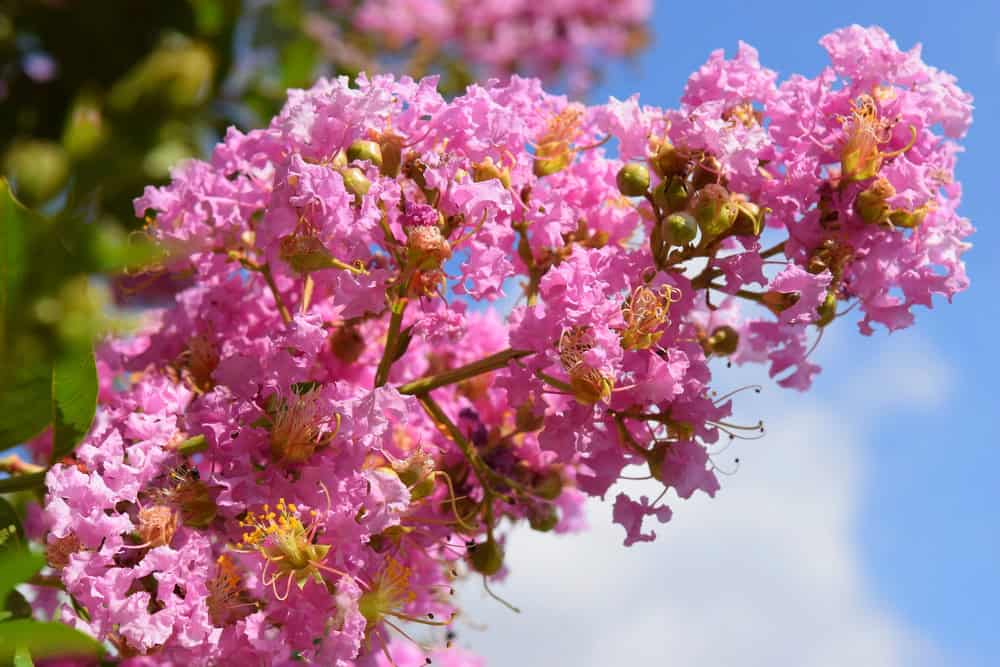
Healthy ornamental shrubs are the foundation of a vibrant North Texas landscaped yard. As winter fades and temperatures begin to rise, spring becomes the most important season for establishing long-term plant health. Proper North Texas ornamental shrub care early in the growing season sets the stage for stronger root systems, richer foliage color, improved flowering, and increased resistance to pests and disease.
Texas spring shrub maintenance isn’t simply about your shrubs’ outward appearance. It’s about soil preparation, nutrient balance, moisture management, and proactive protection against common shrub and tree pests homeowners regularly encounter. When handled right, early season care dramatically reduces stress during the intense summer heat.
If you want shrubs that thrive instead of struggle, spring preparation is where success begins.
Why Spring Is Critical for Ornamental Shrub Care in Texas
North Texas presents unique growing challenges. Clay heavy soils, temperature swings, extended drought periods, and sudden heavy rains all influence plant health. Spring is the recovery and activation phase for shrubs after winter dormancy. This window allows you to:
- Strengthen root development before summer stress
- Correct nutrient deficiencies
- Improve soil structure and drainage
- Apply preventative treatments for insects and fungus
- Encourage balanced new growth
Shrubs that enter summer with strong root systems and proper nutrition are far less likely to decline during extreme heat waves.
For more insight into comprehensive plant health programs, visit our Tree and Shrub Care Services page.
According to Texas A and M AgriLife Extension, proper early season fertilization and soil management significantly improves plant resilience in North Texas landscapes.
Step One: Evaluate Soil Health Before New Growth Begins
Successful ornamental shrub care Texas properties depend on soil quality. North Texas soil is typically alkaline and compacted, which can limit nutrient absorption and root expansion.
Before applying any soil management solutions, evaluate:
- Soil pH levels
- Organic matter content
- Drainage capacity
- Compaction levels
- Existing nutrient balance
Shrubs growing in compacted clay often show yellowing leaves, reduced flowering, and slow development. Aerating soil around root zones and incorporating organic amendments improves oxygen flow and microbial activity.
Healthy soil supports beneficial microorganisms that assist shrubs in absorbing nitrogen, phosphorus, potassium, and essential micronutrients. Without proper soil preparation, even high quality fertilizers won’t deliver optimal results.
Step Two: Apply Targeted Fertilization for Balanced Growth
Texas spring shrub maintenance needs include customized fertilization based on soil analysis rather than generic applications.
Shrubs require a balanced blend of:
- Nitrogen for leaf development
- Phosphorus for root strength
- Potassium for stress tolerance
- Iron and micronutrients for color and metabolic function
Slow release fertilizers are ideal for North Texas ornamental shrub care because they provide steady nutrient availability without excessive flush growth. Rapid growth can make shrubs more vulnerable to shrub and tree pests Texas properties commonly experience.
Applying nutrients at the right time encourages steady structural development instead of weak surface growth.
For professional fertilization strategies designed for North Texas conditions, explore our Commercial and Residential Plant Health Services.
Step Three: Monitor and Prevent Shrub and Tree Pests in Texas
Spring is when insect populations begin to rise. Early monitoring and preventative treatments are key components of effective ornamental shrub care Texas homeowners should prioritize.
Common shrub and tree pests Texas landscapes face include:
- Aphids
- Spider mites
- Scale insects
- Whiteflies
- Caterpillars
- Bagworms
These insects feed on sap, damage foliage, and weaken plant structure. Left untreated, infestations can escalate quickly during warm weather.
Integrated pest management strategies focus on:
- Routine inspections
- Beneficial insect preservation
- Targeted treatments
- Systemic protection when necessary
Proactive monitoring in early spring prevents exponential pest population growth in late spring and summer.
The Environmental Protection Agency provides guidance on integrated pest management principles that support responsible plant care.
To protect your landscape from seasonal pest outbreaks, visit our Pest Control Services page.
Step Four: Identify and Prevent Tree Fungus in Texas Landscapes
Moist spring conditions create the perfect environment for fungal diseases. Tree fungus Texas property owners encounter often spreads from trees to nearby shrubs, especially when airflow is limited.
Common fungal concerns include:
- Powdery mildew
- Leaf spot diseases
- Root rot pathogens
- Sooty mold
- Anthracnose
Symptoms may include leaf discoloration, spotting, curling, premature leaf drop, or black residue on foliage.
Preventative fungus management strategies include:
- Improving air circulation
- Avoiding overhead irrigation
- Enhancing soil drainage
- Applying preventative fungicide treatments when appropriate
Fungal diseases are far easier to prevent than to reverse. Early detection combined with targeted treatment significantly reduces long term plant damage.
Step Five: Encourage Strong Root Development Before Summer Heat
North Texas summers can be intense. Extended high temperatures and drought conditions stress even established shrubs.
Spring ornamental shrub care should focus on strengthening the root zone before heat arrives. Deep watering practices combined with soil conditioning promote deeper root penetration rather than shallow surface roots.
Healthy roots provide:
- Improved drought tolerance
- Better nutrient uptake
- Increased structural stability
- Enhanced disease resistance
Mulch application around shrubs also helps regulate soil temperature and conserve moisture. Organic mulch layers reduce evaporation and protect roots from rapid temperature fluctuations.
Warning Signs Your Shrubs Need Immediate Attention
Even with proper spring preparation, certain symptoms indicate underlying issues requiring professional evaluation.
Watch for:
- Yellowing leaves with green veins
- Wilting despite adequate watering
- Stunted new growth
- Sticky residue on leaves
- Black or white fungal coating
- Sudden leaf drop
These signs may point to nutrient imbalance, pest infestation, or developing fungus problems.
Addressing these issues early prevents larger landscape decline later in the season.
If you suspect pest or disease concerns, review our North Texas Pest Library for identification assistance.
The Role of Professional Monitoring in Texas Spring Shrub Maintenance
Many property owners attempt seasonal shrub care themselves, but professional monitoring ensures early detection of subtle stress indicators that are often overlooked.
Certified plant health specialists evaluate:
- Soil chemistry changes
- Insect lifecycle patterns
- Disease development stages
- Root zone moisture consistency
- Environmental stress factors
North Texas ornamental shrub care requires regional expertise. Climate conditions in Tarrant County differ significantly from other parts of Texas, making localized knowledge essential.
Ongoing plant health programs provide consistent evaluation rather than reactive treatment.
Long Term Benefits of Strategic Spring Shrub Care
Investing in early season shrub maintenance produces measurable benefits throughout the year:
- Stronger flowering cycles
- Improved foliage density
- Reduced insect infestations
- Lower disease incidence
- Greater drought tolerance
- Enhanced property value
Healthy shrubs frame entryways, soften hardscapes, and create visual structure across residential and commercial landscapes.
Creating a Sustainable Shrub Care Strategy for North Texas
Sustainability in shrub care means balancing plant health with environmental responsibility.
Effective strategies include:
- Soil testing before fertilization
- Precise nutrient application rates
- Beneficial insect preservation
- Smart irrigation management
- Early pest detection systems
- Preventative fungus monitoring
By combining ornamental shrub care Texas best practices with integrated pest management, landscapes become more resilient year after year.
Spring is not simply a maintenance period. It is the foundation building season for everything that follows.
Partner With Experts for Healthier Shrubs This Spring
If your shrubs struggled last summer or showed signs of insect or fungal stress, now is the time to act. North Texas ornamental shrub care requires regional expertise, proactive monitoring, and science based treatments tailored to clay soils and unpredictable weather patterns.
A comprehensive Texas spring shrub maintenance plan protects against shrub and tree pests Texas properties face while strengthening root systems before extreme temperatures arrive.
Our team at Trees Hurt Too Inc. specializes in customized shrub and tree health programs designed specifically for North Texas landscapes. From soil evaluation to pest prevention and fungus management, we provide the professional guidance your property deserves.
Schedule your spring shrub health evaluation today and give your landscape the strongest possible start for the growing season.