
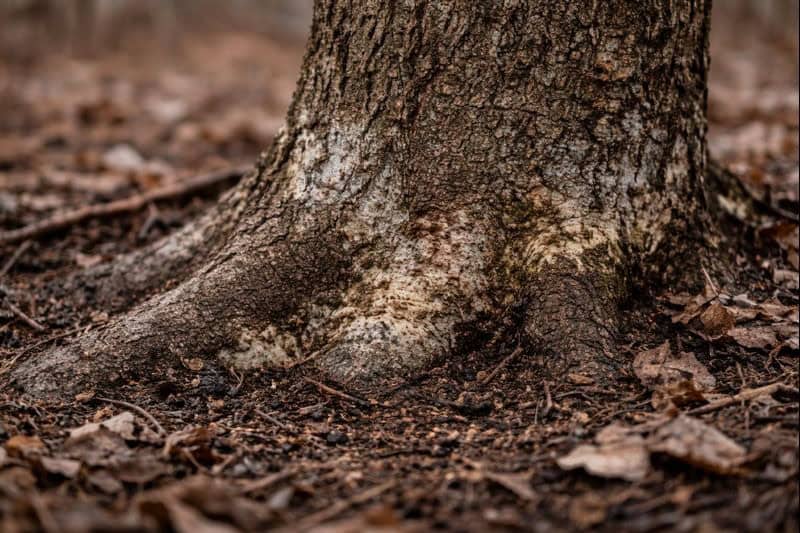
Understanding how Texas tree fungus develops, recognizing early warning signs, and addressing soil moisture challenges in late winter can dramatically reduce disease severity later in the growing season. This February fungus forecast is designed to help property owners, HOAs, and commercial managers stay ahead of spring problems through awareness and proactive planning.
Why February Matters for Texas Tree Fungus
Texas winters are rarely consistent. Periods of cool weather are frequently interrupted by warm spells, light rainfall, and elevated humidity. These conditions create ideal environments for fungal pathogens to awaken long before spring officially arrives.
Fungal organisms survive winter by remaining dormant in soil, organic debris, and within plant tissue. When February brings fluctuating temperatures and increased moisture, these pathogens begin preparing for active growth. By the time visual symptoms appear in March or April, infections are often already established.
Learning how February conditions influence disease development is a critical step in tree disease prevention in Texas. For a broader overview of fungal threats common to the region, visit our page on Texas Tree Fungus
Environmental Triggers That Increase Spring Fungus Risk
Several environmental factors converge in February to increase fungal pressure across Texas landscapes.
Soil Moisture Fluctuations
Winter rainfall combined with compacted clay soils leads to uneven moisture distribution. Oversaturated soil reduces oxygen availability around root systems, weakening natural defenses and creating favorable conditions for fungal colonization.
Moisture management strategies discussed at our Moisture Management page are especially important during this period.
Temperature Swings
Warm daytime temperatures followed by cool nights encourage condensation on bark, buds, and soil surfaces. This persistent moisture film allows fungal spores to activate and spread.
Reduced Air Circulation
Dormant canopies may appear open, but dense planting layouts, fencing, and structural barriers can limit airflow near the soil line. Poor circulation slows evaporation and supports fungal survival.
Organic Matter Accumulation
Leaf litter and organic debris from fall often remain in place through winter. While organic matter supports soil health, excessive accumulation can also harbor fungal pathogens waiting for favorable conditions.
Early Signs of Spring Fungal Outbreaks in Texas Trees
Detecting Texas tree fungus early requires close observation. February symptoms are often subtle and easily overlooked, yet they provide valuable clues.
Bark Discoloration or Texture Changes
Darkened patches, soft areas, or unusual surface patterns on trunks and lower branches may indicate fungal activity beneath the surface. These symptoms should not be ignored, especially when paired with moisture issues.
Delayed Bud Development
When buds fail to swell evenly or appear shriveled, fungal stress may be interfering with nutrient flow. Early diagnosis can prevent widespread canopy decline later in spring.
Premature Leaf Residue
In some cases, old leaf fragments remain attached longer than expected. This can signal underlying fungal disruption in vascular tissue.
Soil Odor and Surface Growth
Musty smells, visible fungal mats, or unusual surface growth near the base of trees indicate excess moisture and microbial imbalance. Addressing soil conditions now supports healthier root systems before active growth resumes.
For additional symptom guidance, see more on our blog post about fungus and other common tree diseases
Common Spring Fungal Diseases That Begin in Late Winter
Several tree diseases common to North Texas often begin development during February conditions.
Root Rot Complexes
Poor drainage and prolonged moisture create ideal environments for root infecting fungi. Early intervention focuses on correcting soil conditions rather than treating visible decline.
Anthracnose Related Diseases
Fungal spores overwinter on infected tissue and activate with cool, wet weather. Symptoms often emerge in spring but infection begins earlier.
Canker Associated Fungi
Stress related fungi exploit weakened tissue, especially following winter temperature fluctuations. Early bark inspection is essential for detection.
For disease identification support, explore more at our North Texas Tree Diseases Identification guide.
The Role of Soil Health in Tree Disease Prevention Texas
Healthy soil acts as the first line of defense against fungal pathogens. February is an ideal time to assess soil structure, drainage, and biological balance.
Improving Drainage Without Disturbance
Compacted clay soils benefit from strategic soil amendments that improve water movement and oxygen exchange. These solutions reduce fungal pressure without disrupting root systems.
Supporting Beneficial Microorganisms
Balanced microbial communities naturally suppress harmful fungi. Soil health programs that encourage biological diversity provide long term disease resistance.
Monitoring pH and Nutrient Availability
Imbalanced soil chemistry weakens tree defenses. February assessments allow corrections before spring demand increases.
Moisture Management as a Fungus Prevention Tool
Tree fungus soil moisture solutions are among the most effective preventive strategies available to Texas property owners.
Avoiding Prolonged Saturation
Even during winter, irrigation systems may contribute to excess moisture. Adjusting schedules based on rainfall and temperature reduces fungal risk.
Surface Water Control
Redirecting runoff away from root zones prevents pooling and supports healthier soil conditions.
Monitoring Microclimates
Shaded areas and low lying zones dry more slowly and should be evaluated individually. Tailored moisture strategies outperform one size approaches.
Professional moisture evaluations help align prevention strategies with site specific conditions.
Why Early Action Saves Trees and Budgets
Addressing fungal risk in February provides measurable benefits.
- Reduced disease severity in spring
- Lower long term treatment costs
- Improved tree resilience during summer stress
- Healthier soil structure year round
Waiting until symptoms are visible often limits available solutions. Early awareness and planning protect long term landscape investments.
How Professional Tree Health Assessments Help
A professional evaluation identifies subtle stress indicators invisible to the untrained eye. February assessments focus on environmental risk factors, soil conditions, and early disease signals.
Property managers overseeing large landscapes benefit from documented assessments that support budgeting and seasonal planning.
Trusted External Resources on Tree Fungus in Texas
For additional scientific insight into fungal disease development and prevention, consult the following authoritative sources.
- Texas A and M AgriLife Extension tree disease resources
- USDA Forest Service publications on fungal pathogens
These organizations provide research based guidance that complements professional landscape care programs.
Preparing Your Landscape for a Healthier Spring
February sets the tone for the entire growing season. Monitoring early signs of spring fungal outbreaks in Texas, addressing moisture challenges, and supporting soil health now significantly reduce disease pressure later.
Property owners who treat February as a proactive planning month position their landscapes for stronger growth, improved resilience, and fewer surprises as temperatures rise.
If you want expert insight into your trees, soil conditions, or moisture challenges, professional guidance ensures your landscape enters spring prepared rather than reactive.