
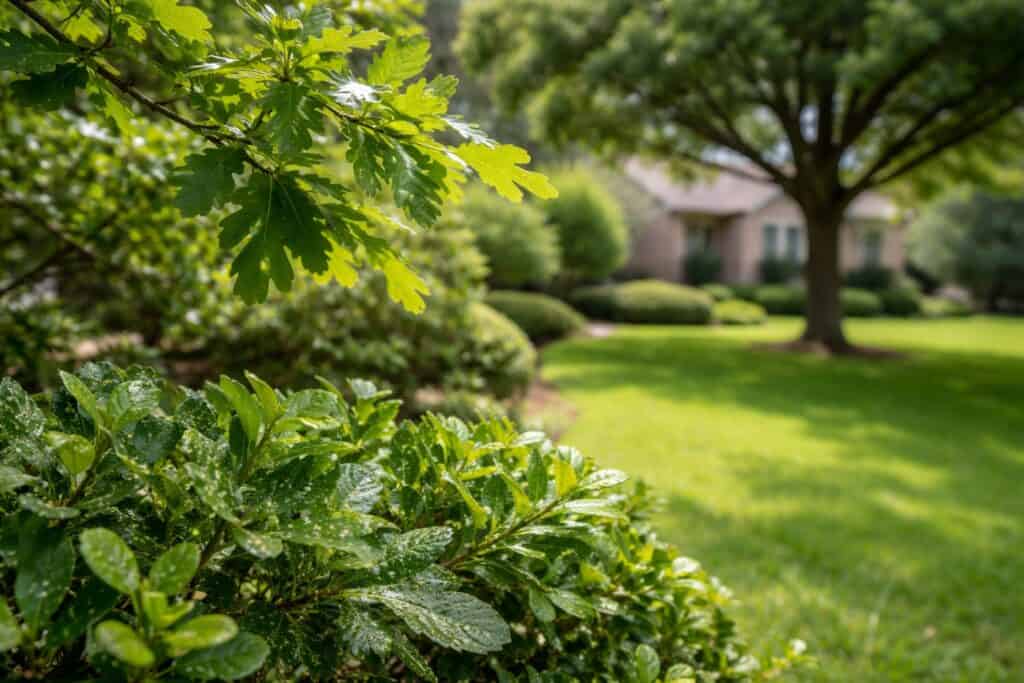
As winter fades and temperatures begin to climb across the DFW metroplex, trees and shrubs enter one of their most vulnerable periods of the year. Buds swell, sap begins to flow, and new foliage pushes out. At the same time, spring tree pests Texas property owners deal with each year begin to wake up.
Understanding which early season pests DFW landscapes are likely to face gives homeowners and property managers a major advantage. The earlier an issue is identified, the easier it is to manage tree stress, prevent long term decline, and reduce the spread of shrub & tree pests Texas neighborhoods commonly experience.
In this spring pest preview, we’ll explore what typically strikes North Texas trees first, how to recognize the warning signs, and what proactive steps you can take to protect your landscape investment.
Why Spring Is Prime Time for Tree Pests in North Texas
Spring in North Texas brings fluctuating temperatures, increased humidity, and frequent storm systems. These conditions create the ideal environment for both insects and Texas tree fungus development.
During late winter dormancy, many insects overwinter in bark, soil, or leaf litter. As soon as daytime highs consistently reach the upper 60s and 70s, insect activity increases rapidly. Eggs hatch. Feeding begins. Colonies expand.
At the same time, fungal spores become active in moist conditions. According to Texas A&M AgriLife Extension, spring moisture combined with warming temperatures can speed up fungal disease cycles in ornamental and shade trees.
Because trees are directing energy toward new growth, they have fewer reserves available to defend against insect feeding and pathogen invasion. This is why early monitoring is essential.
Learn how seasonal nutrient support strengthens plant defenses by exploring our Fertilization Programs
Aphids: Often the First Visible Invaders
One of the earliest spring tree pests Texas landscapes encounter is the aphid. These tiny, soft bodied insects reproduce rapidly and cluster on tender new growth.
Why Aphids Appear Early
Aphids thrive on fresh sap. As buds open in early spring, they find ideal feeding sites on:
• Crape myrtles• Oaks
• Pecans
• Roses
• Ornamental shrubs
Aphids feed by piercing plant tissue and extracting sap, which can lead to:
• Curling leaves• Distorted growth
• Sticky residue known as honeydew
• Increased risk of sooty mold
Honeydew buildup often attracts ants, creating a secondary issue that complicates management.
For more information about insect behavior patterns in DFW, read up with our Pest Control Resource Library
Lace Bugs on Evergreen Shrubs
Lace bugs are a common shrub & tree pests that Texas homeowners notice on azaleas, hollies, and other evergreen ornamentals.
Early Season Feeding Damage
These insects feed on the underside of leaves, causing stippling or a bleached appearance on the upper surface. By mid spring, heavy infestations may result in:
• Yellowed foliage• Premature leaf drop
• Reduced plant vigor
Lace bugs often become active as early as March in mild winters. Because they are small and remain on leaf undersides, infestations can go unnoticed until visible discoloration spreads.
Routine inspections in early spring help detect problems before populations explode.
Spider Mites: Not Just a Summer Problem
Many property owners associate spider mites with intense summer heat, but can include cool season mite species.
Signs of Early Mite Activity
Look for:
• Fine webbing on foliage• Speckled or bronzed leaves
• Gradual thinning of canopy density
Mites reproduce quickly during dry, breezy spring weather. Even moderate infestations can weaken stressed trees before summer arrives.
The Environmental Protection Agency provides guidance on integrated pest management strategies that reduce reliance on reactive treatments.
Proactive plant care programs reduce vulnerability by maintaining balanced soil nutrition and consistent monitoring.
Scale Insects on Shade Trees
Scale insects are among the most destructive spring tree pests Texas arborists monitor each year. These insects attach themselves to bark or leaves and feed continuously.
Why Scale Is Dangerous in Spring
As sap begins flowing, scale populations expand. Heavy infestations may lead to:
• Branch dieback• Reduced leaf size
• Sticky honeydew accumulation
• Increased susceptibility to fungal infections
Soft scale species commonly affect:
• Red oaks• Live oaks
• Magnolias
• Elms
Early season treatment windows are critical because immature stages are more vulnerable to targeted applications.
Tent Caterpillars and Early Defoliators
Another visible sign of spring activity is the appearance of tent caterpillars in tree canopies.
What to Watch For
• Silken webbing in branch unions• Clusters of feeding larvae
• Chewed emerging leaves
While a single season of feeding rarely kills mature trees, repeated defoliation weakens structural integrity and increases stress.
Early intervention limits widespread canopy damage and preserves aesthetic value.
Texas Tree Fungus: Early Season Disease Threats
Insects aren’t the only concern in spring. Texas tree fungus problems often escalate during periods of high moisture.
Anthracnose on Shade Trees
Anthracnose is a fungal disease affecting:
• Sycamores• Oaks
• Maples
Symptoms include:
• Irregular brown blotches• Leaf curling
• Premature leaf drop
Wet spring weather encourages spore spread. Although many trees refoliate, repeated infection cycles reduce long term vitality.
Powdery Mildew on Ornamentals
Powdery mildew appears as a white coating on leaves and stems. It thrives in humid mornings followed by warm afternoons. Early detection allows targeted control before widespread coverage occurs.
Oak Wilt Awareness in Spring
While oak wilt transmission risk increases later in the year, spring remains a critical monitoring period. Fresh wounds and insect vectors can contribute to disease spread.
According to the Texas A&M Forest Service, oak wilt is one of the most destructive tree diseases in Texas landscapes.
Symptoms to watch for:
• Veinal leaf discoloration• Sudden leaf drop
• Progressive canopy thinning
Professional evaluation ensures accurate diagnosis and containment strategies.
Bagworms: Early Hatch Stage
Bagworms are often associated with late summer damage, but early spring is when eggs begin hatching.
Young larvae feed discreetly before constructing visible protective coverings. Evergreen species such as junipers and arborvitae are especially vulnerable.
Monitoring in early April helps prevent severe defoliation later in the season.
Environmental Factors Influencing 2026 Pest Activity
Each year varies based on weather patterns. Mild winters typically lead to:
• Higher overwinter survival rates• Earlier egg hatch cycles
• Increased fungal spore persistence
Extended spring rainfall can accelerate Texas tree fungus outbreaks. Conversely, dry windy conditions may intensify mite populations.
Staying ahead of seasonal forecasts helps predict which early season pests DFW landscapes will experience first.
The Cost of Waiting Too Long
Delaying action allows pests and pathogens to:
• Multiply rapidly• Spread to adjacent trees
• Cause compounding stress before summer heat
In North Texas, summer temperatures frequently exceed 95 degrees. Trees already weakened by spring infestations struggle to tolerate extreme heat.
Preventive strategies reduce long term recovery costs and preserve canopy structure.
Proactive Protection Strategy for Spring
A comprehensive spring defense plan should include:
• Professional inspection in late winter• Monitoring of bud break stages
• Targeted treatments during vulnerable insect life cycles
• Soil nutrient evaluation
• Disease risk assessment following heavy rainfall
Signs Your Trees Need Immediate Attention
Contact a certified tree care specialist if you observe:
• Sticky residue beneath canopy• Rapid leaf distortion
• Webbing in branches
• Sudden spotting or mildew coverage
• Branch sections failing to leaf out
Early diagnosis often prevents irreversible structural decline.
Protect Your North Texas Landscape This Spring
Spring sets the tone for the entire growing season. By identifying spring tree pests Texas property owners face each year, you position your landscape for resilience through summer stress and fall transitions.
Whether you are managing residential property, HOA common areas, or commercial grounds, early season vigilance matters. Proactive care protects shade value, curb appeal, and long term tree health.
Schedule a Spring Tree Health Evaluation with Trees Hurt Too today and request a professional inspection and customized protection plan tailored to North Texas conditions and your yard.
Do not wait until visible decline spreads. Start the season strong and keep your landscape thriving all year long.